A Collective Pause: Persian Wisdom for the Nervous System
At The Conscious Gut, we don’t separate the body from the world it lives in. know your gut doesn’t just digest food, it digests everything: Stress. Grief. Disconnection. Injustice.
The gut is porous to life. And right now, life may feel heavy.
We had other plans this week. Content calendars. Health protocols. Tips for detoxing and liver support. But that would ignore the truth of what so many are carrying.
Because no amount of fiber or supplements can reach the parts of us overwhelmed by the world. And healing can’t be compartmentalized. Not when nervous systems are bracing. Not when grief is collective. Not when the body is speaking louder than the to-do list.
So we’re pausing. Not to abandon health, but to honor it.
To remind you that rest is a protocol.
That lineage is medicine.
That your nervous system deserves care just as much as your diet does.
And for me, this is deeply personal. I’m Persian. I’m Iranian. And I carry a lineage of strength, healing, and wisdom that has always known how to meet grief, not with urgency, but with ritual.
Not with restriction, but with reverence.
This week, I don’t offer you a new protocol.
I offer you a return.
To your senses.
To slowness.
To ancestral rhythms.
And to the ancient practices that know how to hold a human through hard things.
This Is a Moment of Collective Grief
Whether you’re Iranian or not, chances are you’ve felt it: the tension in your chest, the fatigue in your bones, the rising overwhelm that has no name but lives in the body.
This is what it means to live through history. Not to read about it. But to feel it in real time.
The body doesn’t distinguish between personal pain and collective unrest. It registers it all the same: as threat, as disconnection, as danger And for those of us carrying ancestral memory, cultural identity, or the fear for loved ones in danger, the weight is deeper than words.
Persian culture, one of the oldest continuous cultures in the world, has always known something Western wellness sometimes forgets:
That healing doesn’t begin with control.
It begins with rhythm.
With nature.
With ceremony.
With slowness.
And that the nervous system is not a machine to optimize, it’s a sacred place to tend to.
Persian Healing Was Always Nervous System Work
Long before we used words like somatics or biohacking, Persian culture had already built a healing system that saw the body as something sacred and whole.
The hammam wasn’t just a bathhouse — it was a reset for the entire system.
Saffron tea wasn’t luxury — it was spirit medicine.
Rosewater wasn’t cosmetic — it was grief support.
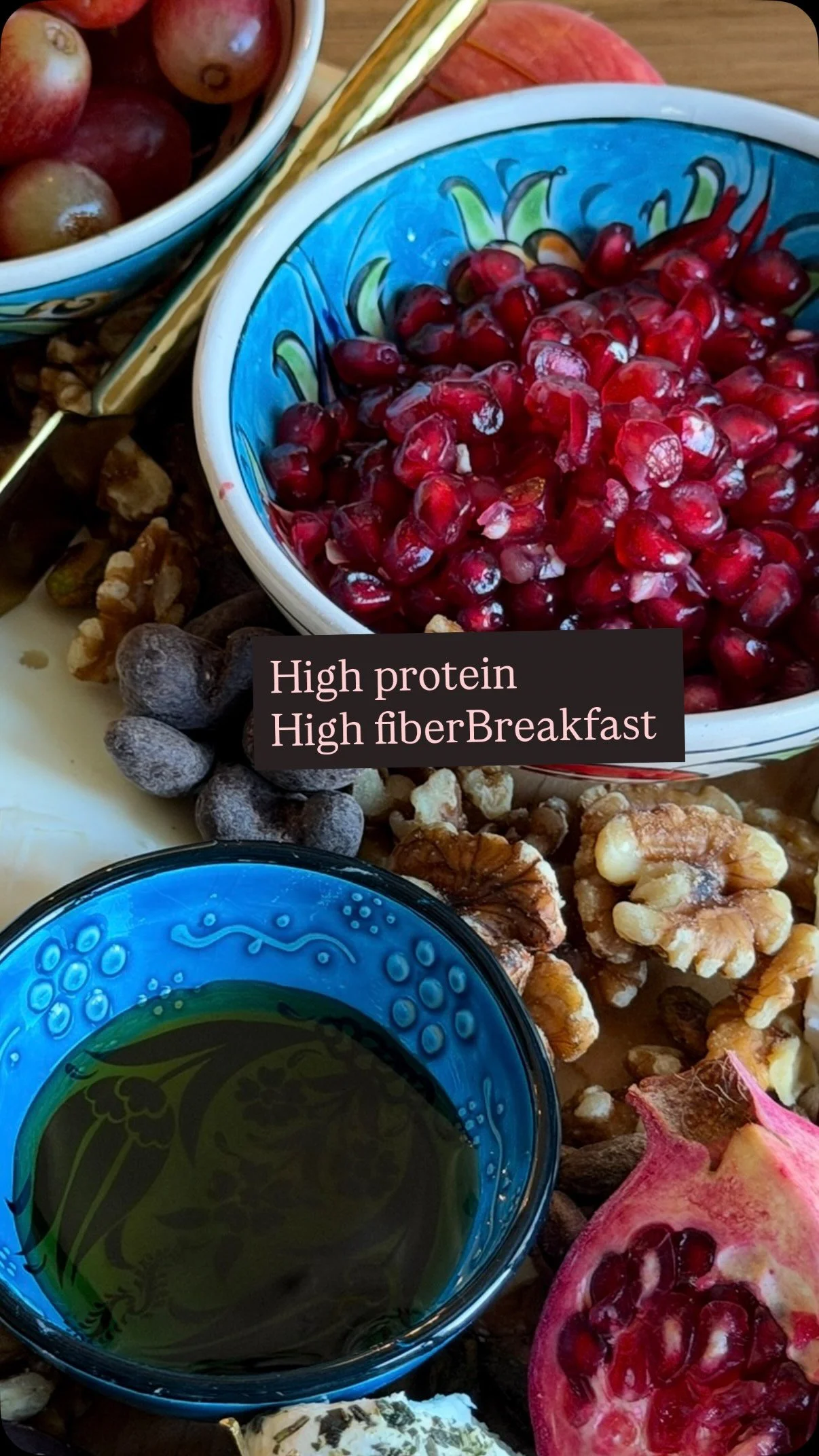
And pomegranates, cracked open by hand, were medicine in both biology and symbolism — reminders of resilience, fertility, and joy in the midst of hardship.
In Persian healing, symptoms weren’t something to fix. They were something to listen to.
The goal was never perfection. It was harmony.Not performance, but presence.
Eleven Persian-Inspired Practices for a Dysregulated World
These are not prescriptions. They are invitations. Grounded, gentle ways to reconnect to safety, rooted in Persian wisdom and backed by modern science.
1. Tea as Ritual: A Pause for the Nervous System
In Persian culture, tea isn’t just a drink, it’s a moment. A way of telling the body to soften. To come back. To stop bracing.
Put the kettle on. Watch the steam rise. Hold the cup in both hands. Step outside if you can. Take one slow sip with your eyes closed.
Let your shoulders drop. Let the warmth hit your chest.
Tea is not meant to be multitasked. It’s meant to be received. Even five minutes of this kind of pause can shift the entire nervous system toward safety.
2. Sofreh: Eat Like You Deserve It
Most of us aren’t laying out a full sofreh these days, especially in the diaspora, but the principle still matters.
Don’t eat like you’re sprinting through your own life. Put your food on a plate. Sit down, even for five minutes.
Let nourishment be something you receive, not something you squeeze in. That alone can shift your nervous system out of urgency.
3. Light a Candle
In Persian tradition, lighting a candle is a quiet form of prayer. Not performative, protective.
A way to witness grief without drowning in it.
Light one at dusk. Let it burn while you drink tea. Let it hold what your nervous system can’t carry alone.
4. Rosewater for the Heart + Skin
Used for centuries, rosewater calms both inflammation and agitation, on the skin and in the nervous system.
Mist it on your face.
Add a splash to tea.
Place a few drops on your wrists and inhale.
The body remembers what gentleness feels like.
5. Saffron for Emotional Resilience
One of Persian culture’s most prized ingredients, saffron has mood-lifting and nervous system-supportive properties, now confirmed by research.
Steep a few threads in hot water with cardamom and cinnamon. Let it soothe your mood, hormones, and digestion.
6. Warm, Spiced Meals Over Raw
Persian cuisine is rich in soft-cooked herbs, stews, and broths, like ash reshteh or abgoosht.
These meals are grounding, prebiotic-rich, and deeply regulating, especially in stress or grief states when raw food is harder to digest.
7. Let Repetition Regulate You
From chopping herbs to stirring stews to folding tea towels, Persian life is full of ritual.
These repetitive motions regulate the vagus nerve and bring the system into rhythm. Even small rituals, sweeping, washing dishes, pouring tea, tell the body: you are safe.
8. Words That Hold You
When the world feels too heavy for logic, sometimes it’s language that saves us. Not textbooks, but tenderness. Whether it’s a line of Rumi, a childhood lullaby, or a poem scribbled on a post-it, let words live where your body hurts. Keep one near your mirror, your sink, your bedside. Let it anchor you.
This too is medicine.
9. Hot Water Bottles + Castor Oil Packs
Used in Persian homes to soothe abdominal pain and calm the nervous system. A warm water bottle or castor oil pack over the liver can reduce cortisol, support digestion, and signal rest.
10. Limit Cold Showers, Favor Gentle Circulation
Persian wisdom leans toward warmth,not cold plunges. In times of depletion or grief, opt for warm baths, dry brushing, and light movement over shock therapies.
11. Create a Sensory Reset Corner
Designate a small corner of your home for nervous system repair: Soft lighting. Weighted blanket. Scented oil. Something warm to sip.
Return here daily, even for 10 minutes. Let it become your sanctuary.
Let This Be a Collective Reset
This isn’t just about Iran. It’s not just about politics or headlines. It’s about all of us, living through grief, fragmentation, and chronic overstimulation, without the tools to metabolize it.
But those tools exist.
They’re not new.
They’re ancient.
And they still work.
They remind us:
You don’t have to earn rest.
Nourishment is a form of protest.
Slowing down is sometimes the bravest thing you can do.
To the Iranian People and to Anyone Holding Too Much Right Now
We see you. Whether your pain has a headline or not.Whether you're grieving a country, a person, or a version of yourself.
Let this post be a prayer in the form of nourishment.
Let it remind you:
Your body knows how to come home.
Healing doesn’t always come from trying harder.
Sometimes, it comes from letting ancient wisdom hold you.
May you feel warmth.
May you feel softness.
May you feel witnessed.
And may you remember, you are not alone.
Follow @theconsciousgut on Instagram