If you’ve heard of Blue Zones, you’ve heard the headline: five places on Earth where people regularly live longer, healthier lives—often past 100—while staying active and sharp. The original regions spotlighted were Okinawa (Japan), Sardinia—Ogliastra (Italy), Ikaria (Greece), Nicoya (Costa Rica), and Loma Linda (California). National Geographic+1
Beyond the romance of stone paths and sea breezes, the core claim is simple: in these places, daily life quietly stacks the odds for longevity—through food, movement, social fabric, and stress relief—more than any single “biohack.” PMC
This post breaks down:
What qualifies as a Blue Zone (and why definitions matter)
The common denominators across regions (diet, movement, social design
What the science supports, and the fair critiques
A modern, do-it-anywhere blueprint (no passport required)
What are Blue Zones—really?
“Blue Zones” began as an exploration of places that appeared to have an unusually high share of people living to 90–100+ with low rates of chronic disease and disability. The five canonical regions above became famous via National Geographic reporting and later books and public-health interventions. National Geographic+1
The core throughlines researchers point to
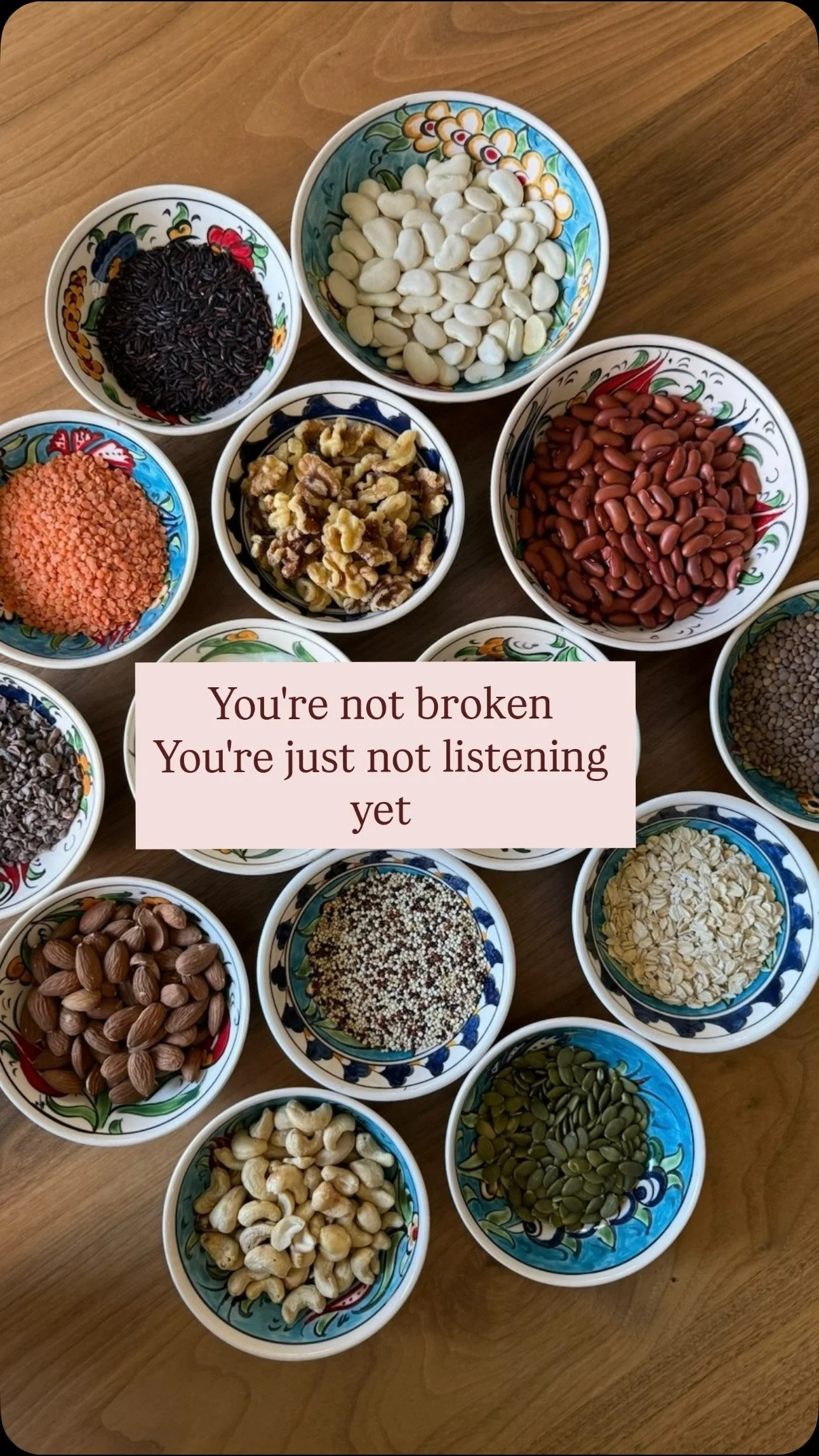
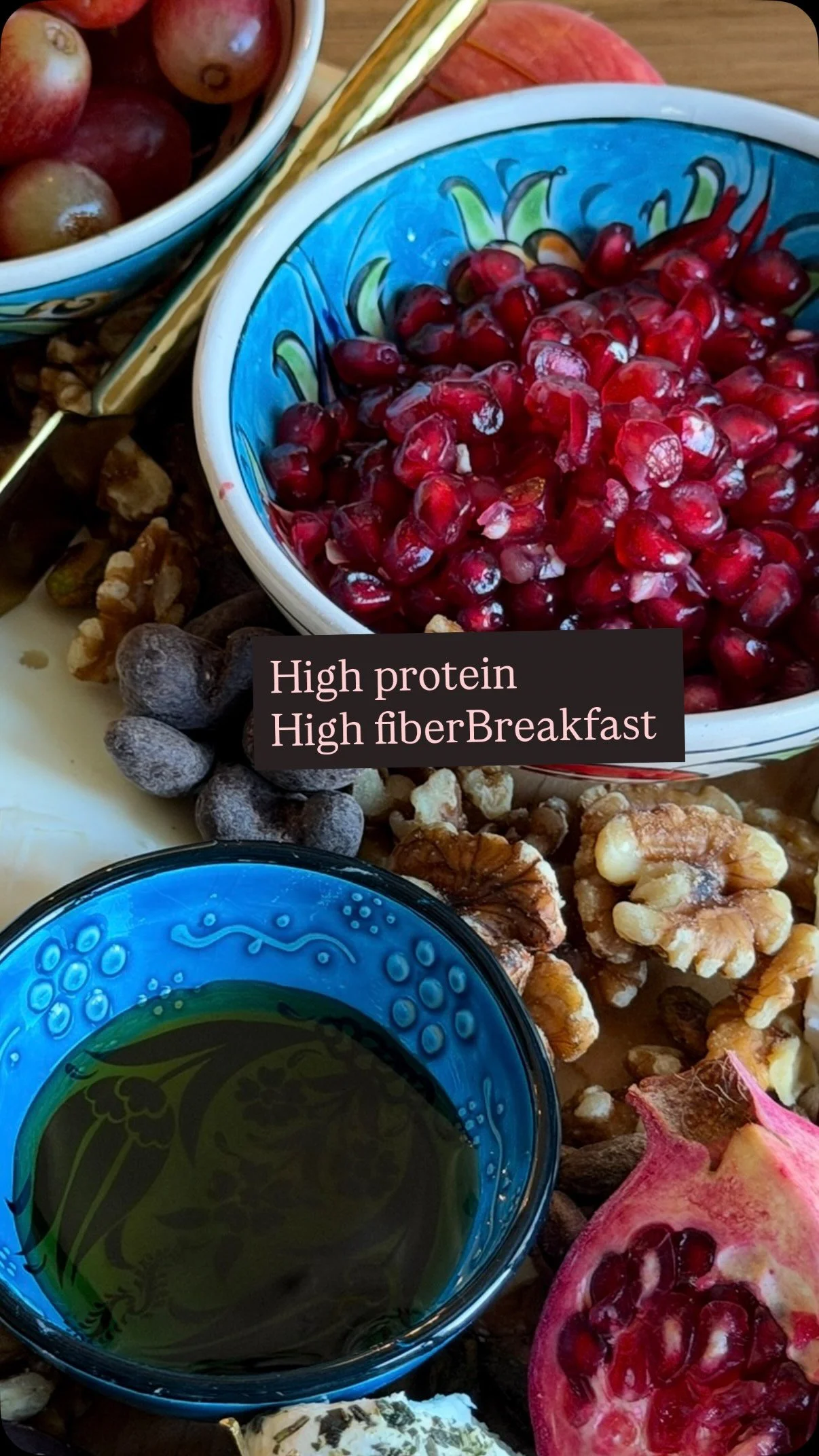
Plant-forward, high-fiber eating (legumes, whole grains, vegetables, fruit, nuts; modest animal foods). PMC+1
“Move naturally” all day (walking hills, gardening, manual tasks) vs. heroic workouts. PMC
Downshift rituals (prayer, naps, tea, time in nature) that lower chronic stress. PMC
Strong social ties and purpose (faith communities, intergenerational homes, mutual aid). PMC
Moderation and rhythm (e.g., Okinawan hara hachi bu—stop eating at ~80% full). PMC
These aren’t exotic. They’re environmental defaults that make the healthy choice the easy choice—daily, for decades.
Diet, briefly: not identical, but rhyming
Each region eats its own cuisine, but the patterns rhyme:
Okinawa (traditional): lots of sweet potatoes, green/yellow veg, soy foods (tofu/miso), herbs/spices; little added sugar; modest fish/meat. PMC+1
Ikaria/Sardinia: Mediterranean-leaning—vegetables, legumes, whole grains, olive oil, herbs; modest fish, goat/sheep dairy; celebratory meat. PMC
Nicoya: beans, corn (nixtamalized), squash, tropical fruit; active outdoor living.
Loma Linda (Adventists): plant-centric patterns; many are vegetarian; strong faith-community support. PMC
Common denominator: plants, fiber, and minimally processed staples, with frequent legumes and fermented or cultured foods (where traditional). That combo supports a diverse, anti-inflammatory microbiome and metabolic health. PMC
The “Power” habits (in plain English)
From syntheses and field work, nine recurrent habits pop up (worded practically here): PMC
Move by default. Walk, climb, carry, garden.
Know your “why.” Purpose and roles that matter.
Downshift daily. Prayer, tea, naps, nature, breath.
Eat to enough, not to numb. (Okinawan hara hachi bu ethos.)
Plant slant. Beans daily; whole grains; veg; fruit; nuts.
Small joys, not binges. (Wine/coffee vary by region; always with food/friends.)
Belong. Faith or community anchors.
Family first. Intergenerational care, dependable ties.
Right tribe. Surround yourself with people whose norms support health.
What the science supports—and where to stay skeptical
Supportive evidence:
Dietary patterns rich in legumes, whole grains, and vegetables correlate with lower cardiovascular, diabetes, and colorectal cancer risk and longer healthy life. PMC
Traditional Okinawan diet research details low glycemic load, high phytonutrients/fiber, and association with exceptional longevity. PMC+1
Community-level Blue Zones Projects (U.S. cities applying these principles) report improved well-being metrics, lower smoking/overweight rates, and actuarial cost savings—suggestive, though not randomized trials. NCBI+2info.bluezonesproject.com+2
Reasonable critiques:
Data quality/validation of historical ages can vary (record-keeping issues, survivor bias). Some scientists argue certain longevity claims are overstated. Science+1
Blue Zones are observational, not controlled experiments; causality is inferred. That said, the overlap with well-researched healthy patterns (Mediterranean-, plant-forward diets; activity; social connection) is strong.
Pragmatic takeaway: You don’t need perfect records to copy the low-risk, high-benefit habits that align with broader evidence.
How to Blue-Zone your life (no relocation required)
1) Make plants the plate’s center
Daily beans or lentils (½–1 cup), whole grains, 2+ cups veg, fruit, nuts/seeds.
Cook simply: olive oil, herbs, citrus, garlic. (Okinawa & Med share this spirit.) PMC
2) Move like a villager
Walk to do things; take stairs; carry groceries; garden or adopt “householder strength” (push, pull, squat, hinge, carry) 2–3×/week.
3) Downshift on purpose
5 minutes of breathwork, prayer, or tea every afternoon. Tiny daily stress relief beats occasional big escapes.
4) Eat to ~80% comfortably full
Pause mid-meal; notice sensation; pack the rest. The point is lightness, not restriction. (Okinawan hara hachi bu.) PMC
5) Curate your “right tribe”
Schedule standing rituals: weekly soup night, walking club, volunteer shift, faith/community group. Your norms live in your calendar.
6) Purpose on the calendar
Write one sentence: “This month, I’m needed for ____.” Make it visible. Purpose protects healthspan.
7) Design your home like a nudge
Produce bowl at eye level; beans precooked in the fridge; shoes by the door; devices off table; a water bottle that lives on your desk.
A 7-Day Starter Plan (stacking small wins)
Day 1 — Bean it: add ½–1 cup beans/lentils to lunch.
Day 2 — Walk after dinner: 12–15 minutes (glucose + digestion).
Day 3 — Downshift: 5-minute tea/breath ritual at the same hour.
Day 4 — Community: text 2 friends: “Soup night at mine Friday?”
Day 5 — Plant slant dinner: veg + beans + whole grain + olive oil.
Day 6 — Strength at home: 2 sets each—squats, wall pushups, hip hinges, carry something.
Day 7 — 80% full: practice stopping when you feel “comfortable enough.”
Repeat next week. Add a plant variety goal (30 per week). Your microbiome will notice. So will your mood and sleep.
FAQs people actually ask
Do I have to be vegetarian?
No. Blue Zones vary. Most are plant-dominant, not plant-exclusive. Meat is often occasional and part of social rituals.
Is wine required?
No. Some regions enjoy small amounts with food and friends. If you don’t drink, skip it, zero benefit to starting.
Can a city really “become” a Blue Zone?
The Blue Zones Project applies these ideas to urban design and policy. Reported outcomes include lower smoking/overweight and higher well-being in participating communities, but these are program evaluations, not RCTs. Still, environmental nudges work. NCBI+1
What about critics who say the data are shaky?
Some claims are debated (age verification, selective stories). The safest move is to adopt habits that track with rigorous evidence anyway: plant-forward diet, natural movement, stress relief, social connection, and a sense of purpose. Science
The bottom line
Blue Zones aren’t magic coordinates; they’re living patterns: plants and fiber, daily natural movement, faith or meaning, people who expect you to show up, and gentle brakes on stress and overeating. Those patterns harmonize with modern science on cardiometabolic health, gut health, and emotional well-being. You don’t need an island; you need defaults that make the good stuff automatic. PMC+2PMC+2
Start with dinner and a walk. Text a friend about Friday soup. Put the beans on. Do it again next week. That’s how long life is made.
Ready to Transform Your Gut Health?
If you’re tired of feeling bloated, fatigued, or off-balance, your gut may be asking for more fiber, not more supplements.
Check out my 10-Day Gut Reset
Book a 1:1 consultation
and get a personalized strategy to optimize your gut health, hormone balance, and longevity.
Or explore free resources on The Conscious Guide for practical ways to start feeding your microbiome today.
Follow @theconsciousgut on Instagram