Gut Health and Libido: How Digestion, Hormones, and Nourishment Shape Desire
Desire Begins in the Body, Not the Bedroom
Libido is often talked about like a switch. On or off. Present or missing. Something you either “have” or “lose.”
But desire doesn’t disappear randomly.
It quiets when the body is tired.
It pulls back when the nervous system feels unsafe.
It softens when digestion is struggling, hormones are strained, or energy is being rationed just to get through the day.
Libido is not just about attraction. It is a signal that the body feels nourished, regulated, and resourced enough to open.
And the gut sits at the center of that story.
If Your Libido Feels “Off,” It’s Probably Not What You Think
Low desire rarely comes from one cause. It’s almost never just hormones. And it’s definitely not a personal failure.
Here’s what we see over and over in real bodies, real lives, and real clinical work:
Your libido didn’t vanish — it adapted to chronic stress
Your body isn’t broken — it’s conserving energy
Your hormones aren’t failing — they’re responding to context
Your gut symptoms and low desire are not separate issues
Your nervous system is quietly running the show
Your season of life matters more than you were ever taught
Your desire may need support, not stimulation
What worked in your 20s may not work in your 30s, 40s, or beyond
Forcing desire often pushes it further away
Safety, nourishment, and regulation bring it back faster than hacks
This is why we created Libido Across the Decades — not as a quick fix, but as a framework for understanding why desire changes, how the body protects itself, and what actually helps at different stages of life.
Inside the guide, we explore:
Why libido behaves differently in your 20s, 30s, 40s, 50s, and beyond
How stress, digestion, hormones, and emotional safety intersect
What low desire is signaling — and how to respond without shame
The difference between “fixing” libido and supporting the system that creates it
Because desire doesn’t disappear without reason. And when you understand the reason, everything softens. Desire doesn’t need to be chased. It needs to be understood.
What We’re Really Supporting When We Support Libido
Before talking about foods or supplements, it helps to understand the goal. Supporting libido naturally isn’t about forcing desire or “fixing” something that’s broken.
It’s about helping the body feel safe enough to move out of survival mode. It’s about supporting balanced sex hormones like estrogen, progesterone, and testosterone. It’s about improving blood flow, which is essential for physical arousal. It’s about supporting energy levels so the body has the resources for pleasure. And it’s about reducing the stress hormone burden that quietly suppresses sexual function over time.
When libido is low, the body is often saying, I’m busy keeping you alive.
The Gut, the Nervous System, and Intimacy
Intimacy requires presence. Presence requires regulation.
The gut plays a major role here because it is deeply connected to the nervous system. When digestion is strained, inflamed, or under-fueled, the body stays in a low-grade stress response. Blood flow is prioritized for survival, not sensation. Muscles stay slightly guarded. Breathing stays shallow. Energy gets conserved.
Arousal, on the other hand, requires openness. Relaxation. Blood flow. A sense of safety.
This is why gut symptoms and low libido so often travel together. Not because desire is gone, but because the body hasn’t been given permission to soften.
Why Fat and Cholesterol Matter More Than You Were Taught
This part surprises a lot of people.
Cholesterol is not just something measured on lab work. It is a foundational building block for hormones. Every major sex hormone in the body is made from cholesterol, including estrogen, progesterone, and testosterone.
Your body uses cholesterol as raw material, then converts it step by step into the hormones that regulate cycles, arousal, lubrication, erection quality, and desire.
When dietary fat intake is too low, or when someone has spent years on low fat or restrictive diets, the body may not have what it needs to produce hormones efficiently.
Healthy fats also support hormone signaling, which determines how well your cells respond to the hormones you do have. They support brain health, which directly influences mood and desire. They allow the absorption of fat soluble vitamins like A, D, E, and K, all essential for hormone balance.
Very low fat diets can sometimes show up as:
• Irregular or missing menstrual cycles
• Lower testosterone levels
• Vaginal dryness
• Reduced libido
The goal is not excessive or inflammatory fats. The goal is adequate, high quality fats that signal safety, nourishment, and abundance to the body.
Foods That Quietly Support Hormones and Desire
Libido is built, slowly and steadily, through nourishment. Through foods that tell the body it is safe to invest in reproduction, connection, and pleasure.
Foods that support hormone building and libido include:
• Eggs, which provide cholesterol and fat soluble nutrients
• Fatty fish like salmon and sardines, rich in omega three fats that support hormone balance and blood flow
• Extra virgin olive oil, which supports vascular health and circulation
• Avocados, rich in monounsaturated fats that support hormone production
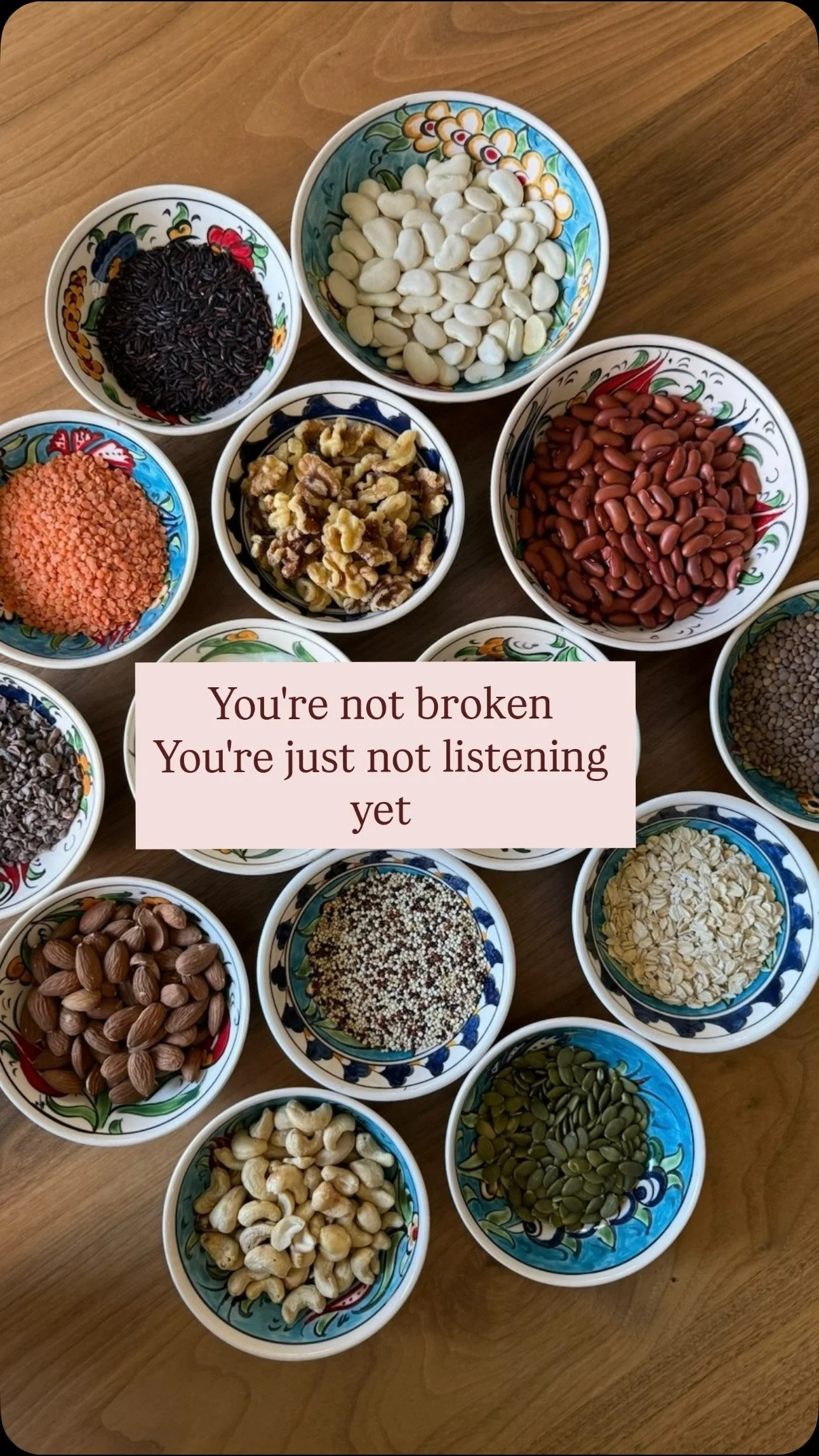
• Nuts and seeds, which provide healthy fats and minerals like zinc
• Grass fed meats, which offer cholesterol, protein, and iron that support energy and hormone health
Equally important is avoiding chronic under-eating. When calorie intake is consistently too low, the body interprets that as a stress signal. Reproductive hormone production slows. Libido drops. The message becomes clear: now is not the time.
Key Nutrients That Support Libido From the Inside Out
Certain nutrients support libido by improving circulation, calming stress hormones, and supporting hormone production.
• Zinc supports testosterone production and reproductive health across all genders
• Vitamin D plays a role in hormone balance, mood, and healthy testosterone levels
• Omega three fatty acids support blood flow, reduce inflammation, and support brain health
• Magnesium supports relaxation, sleep quality, and nervous system regulation
• Maca root has been traditionally used to support libido, stamina, and sexual function
• L arginine or L citrulline support nitric oxide production, which improves blood flow and physical arousal
• Adaptogens like ashwagandha help regulate cortisol, which otherwise suppresses sex hormones when chronically elevated
These are not stimulants. They don’t force desire. They support the conditions that allow desire to return.
Intimacy Is Not a Performance, It’s a State
From a behavioral science perspective, desire emerges when the body feels regulated, resourced, and emotionally safe. It disappears when the system is overloaded, underfed, or constantly bracing.
The body’s logic here is deeply intelligent.
If digestion is strained, energy is low, stress hormones are high, and safety feels uncertain, the body will prioritize survival. Pleasure gets postponed.
When nourishment improves, stress lowers, hormones rebalance, and blood flow returns, desire often follows without effort.
The Big Picture
Supporting libido is not about chasing arousal. It is about creating an internal environment where arousal makes sense.
Adequate healthy fats and cholesterol give the body the raw materials to build sex hormones. Balanced blood sugar, good circulation, and gut health allow those hormones to do their job. Lower stress hormones give the nervous system permission to soften.
When the body feels safe, nourished, and supported, intimacy becomes possible again. Not forced. Not scheduled. But felt.
Desire doesn’t need to be hunted down.
It needs to be invited back.
And the invitation starts in the gut.
Follow @theconsciousgut on Instagram