Your IBS Diagnosis May Be WRONG (And What to Test For)
If you’ve been diagnosed with IBS but still feel like something isn’t adding up, you could be misdiagnosed.
For many people, an IBS diagnosis brings temporary relief — a name for what you’re experiencing — but very few real answers.
The symptoms continue.
The confusion remains.
And the question lingers:
What if this isn’t actually IBS?
Increasingly, research and clinical experience suggest that many cases of IBS may actually be driven by something more specific:
SIBO — Small Intestinal Bacterial Overgrowth.
What Is IBS?
Irritable Bowel Syndrome (IBS) is one of the most common digestive conditions, affecting an estimated 25 to 45 million people in the United States.
IBS is classified as a functional gastrointestinal disorder, meaning it is diagnosed based on symptoms rather than a clearly identified cause.
Common IBS symptoms include:
bloating
abdominal pain
constipation, diarrhea, or both
gas
food sensitivities
fatigue
Because IBS is a syndrome, it does not explain why symptoms are happening, only that they are.
What Is SIBO?
SIBO (Small Intestinal Bacterial Overgrowth) occurs when bacteria that normally reside in the large intestine begin to overgrow in the small intestine.
This disrupts digestion, fermentation, and nutrient absorption.
As bacteria ferment food in the small intestine, they produce gases (hydrogen and methane), which can lead to:
bloating and distention
irregular bowel movements
discomfort after eating
nutrient deficiencies
fatigue and brain fog
IBS vs SIBO: What’s the Difference?
IBS (Irritable Bowel Syndrome) is a functional disorder diagnosed based on symptoms like bloating, abdominal pain, and irregular bowel movements.
SIBO (Small Intestinal Bacterial Overgrowth) is a condition where excess bacteria in the small intestine disrupt digestion and cause similar symptoms.
Key difference:
IBS is a symptom-based diagnosis, while SIBO is a testable underlying condition that may be causing those symptoms.
Why They’re Often Confused
One of the primary reasons IBS and SIBO are so often confused is because their symptoms overlap almost entirely.
Both can present with persistent bloating, gas, abdominal discomfort, and changes in bowel movements whether that’s constipation, diarrhea, or a combination of both. Many people also experience food sensitivities, particularly to fermentable carbohydrates, which can further blur the distinction between the two.
From the outside, the experience can feel identical.
This is why many diagnoses are made based on symptoms alone. If someone presents with chronic digestive discomfort and more serious conditions have been ruled out, IBS is often the label given.
But what’s important to understand is that IBS describes what you’re experiencing, not necessarily why it’s happening.
SIBO, on the other hand, is a specific and testable condition that may be driving those same symptoms.
Without testing for bacterial overgrowth, it’s easy for SIBO to go unnoticed and for symptoms to be managed rather than fully understood.
The Statistic That Changes Everything
Research suggests that 30–60% of people diagnosed with IBS may actually have underlying SIBO.
This means that for a significant number of people:
They are not just managing symptoms, they may be missing the root cause.
Why IBS Is Commonly Misdiagnosed
IBS is often diagnosed through a process of elimination.
If serious conditions are ruled out and symptoms persist, IBS becomes the label.
But this approach can miss conditions like SIBO because:
standard blood tests do not detect it
imaging does not show it
it requires specific breath testing
Additional reasons include:
Limited awareness. Not all providers routinely test for SIBO.
Time constraints. Appointments often don’t allow for deeper investigation.
Symptom overlap. IBS is assumed before other possibilities are explored.
How to Test for SIBO
The most common way to test for SIBO is through a breath test. This is something I can support you with when we work together in one-on-one sessions.
This test measures hydrogen and methane gases produced by bacteria after consuming a sugar solution (usually lactulose or glucose).
Key points:
non-invasive
can be done at home or through a provider
helps identify bacterial overgrowth patterns
Testing provides clarity — something symptom-based diagnosis alone cannot offer.
IBS vs SIBO Treatment: What’s the Difference?
IBS Treatment (Typical Approach)
symptom management
dietary restriction (low FODMAP, etc.)
medications to control bowel movements
SIBO Treatment (Root-Cause Approach)
antimicrobial therapy (pharmaceutical or herbal)
improving gut motility
restoring microbiome balance
addressing underlying contributors (stress, digestion, environment)
strategic nutrition support
The difference is significant:
IBS focuses on managing symptoms
SIBO allows for targeted intervention
A Reframe That Changes Everything
One of the most important shifts in gut health is this:
Your symptoms are not random.
They are information.
Bloating is a signal.
Fatigue is a signal.
Digestive irregularity is a signal.
When we move the internal diolauge from: “What’s wrong with me?” to “What is my body responding to?”, we begin to uncover what’s actually driving symptoms.
Signs It May Be More Than IBS
You may want to consider testing for SIBO if you experience:
persistent bloating (especially after eating)
symptoms that return after dietary changes
alternating constipation and diarrhea
fatigue alongside digestive symptoms
limited improvement with standard IBS treatments
Where to Start
If you’ve been diagnosed with IBS but feel like you’re missing a piece of the puzzle, exploring SIBO may be a meaningful next step.
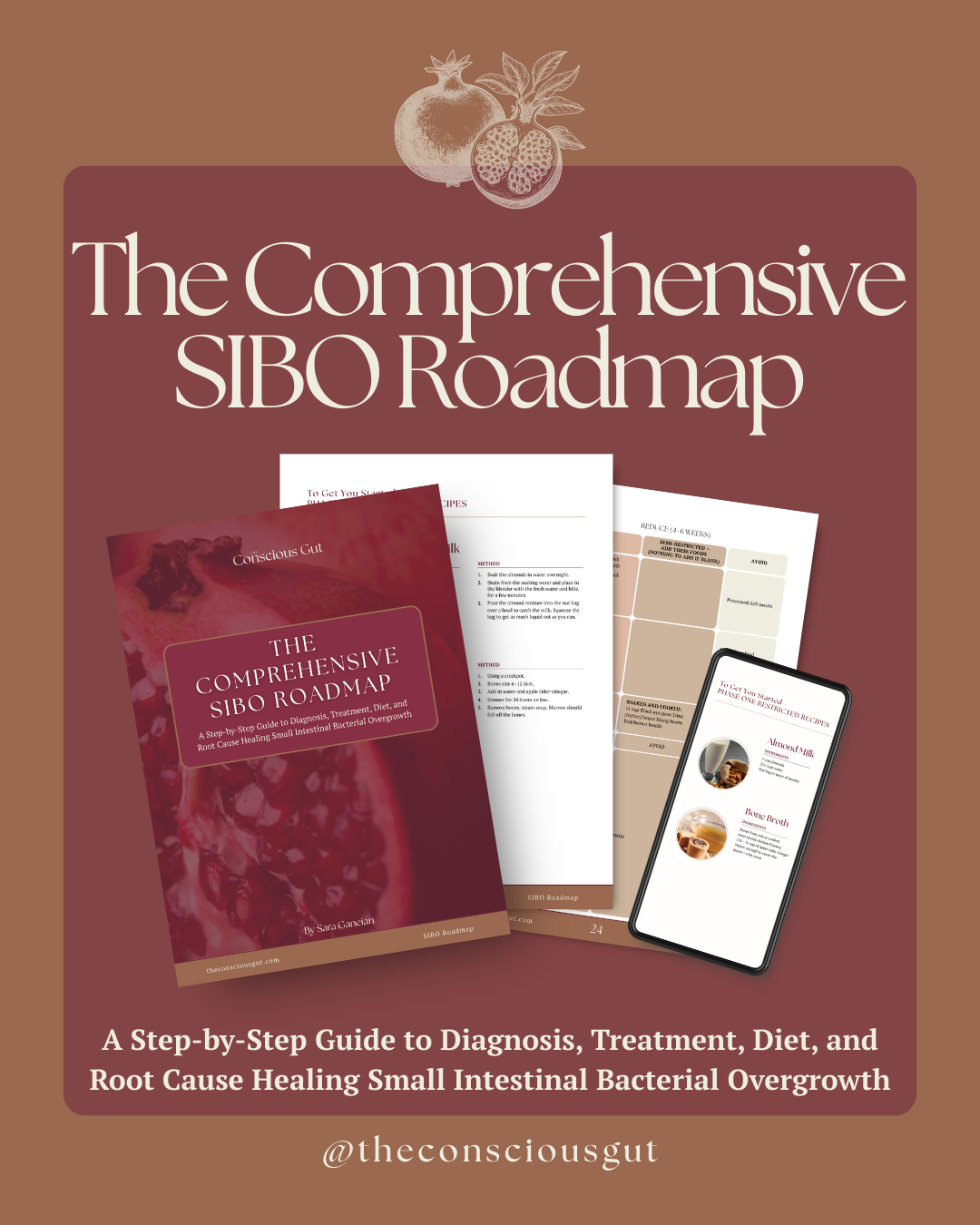
The SIBO Recovery Roadmap was created to help you understand:
how SIBO develops
how it differs from IBS
common root causes
practical ways to begin supporting your gut
And if you’re looking for more personalized support, you can book a 1:1 consultation to explore your symptoms, history, and next steps in a more individualized way.
Final Thought
IBS is often where the conversation ends. But it doesn’t have to be. Common symptoms are not the same as norma and when you begin to look deeper, what once felt confusing can begin to make sense.
An estimated 60–80% of people diagnosed with IBS actually have underlying SIBO — and many people with SIBO are never tested at all.
That means millions of people are told to “manage symptoms,” avoid foods forever, or accept chronic bloating, constipation, diarrhea, fatigue, anxiety, or nutrient deficiencies as normal — when the real issue was never addressed.
This roadmap exists to change that.
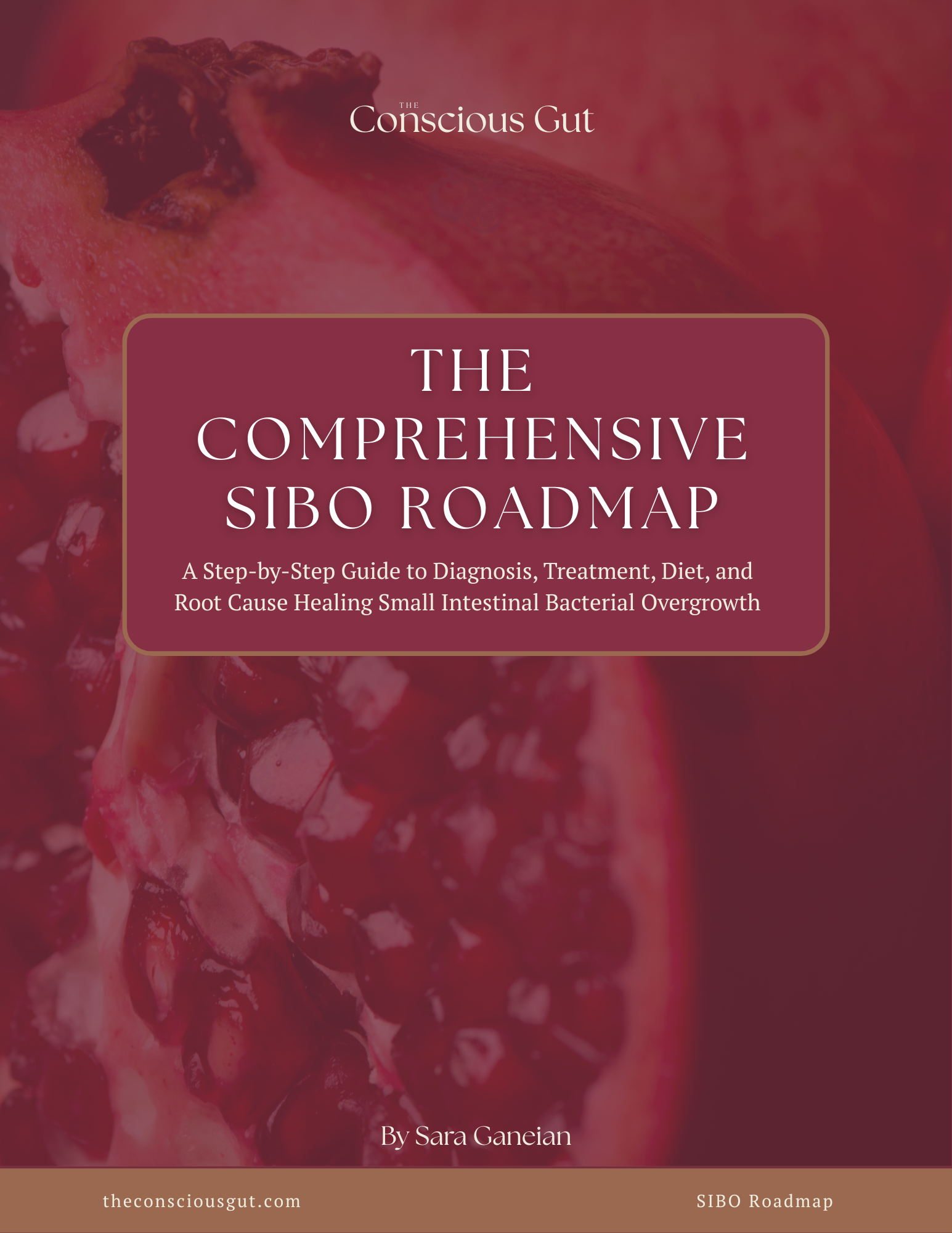
The Comprehensive SIBO Roadmap
A step-by-step guide to understanding, treating, and recovering from SIBO — without confusion, restriction, or guesswork.
If you’re bloated after meals, reacting to foods that never used to bother you, cycling through protocols that don’t stick, or feeling stuck between “everything looks normal” and “something is clearly wrong,” this was created for you.
SIBO is not just a gut condition.
It’s a nervous system condition.
A metabolic condition.
A pattern that often goes unrecognized, misdiagnosed, or mistreated for years.
The Comprehensive SIBO Roadmap is designed to help you finally understand what’s happening in your body, why it’s happening, and how to move forward with clarity instead of overwhelm.
Who This Is For
The Comprehensive SIBO Roadmap is for you if:
You’ve been diagnosed with SIBO and feel overwhelmed by conflicting advice
You suspect SIBO but haven’t gotten clear answers
You’ve tried diets, supplements, or antibiotics with limited or temporary relief
You’re tired of extreme restriction and want a more sustainable path
You want to understand why your gut behaves the way it does
You’re ready to support your body — not fight it
This resource is education-forward and empowerment-focused. It’s designed to support you alongside clinical care, not replace it.
Why This Roadmap Is Different
Most SIBO resources focus on eradication.
This roadmap focuses on restoration.
Because SIBO doesn’t happen in a vacuum — and it doesn’t resolve sustainably without addressing the terrain that allowed it to develop in the first place.
If you’ve felt confused, dismissed, or stuck in cycles of flare-ups and protocols, this is your invitation to step into clarity.
Your symptoms are not random.
Your body is not broken.
And you deserve a roadmap that reflects that.
Follow @theconsciousgut on Instagram